
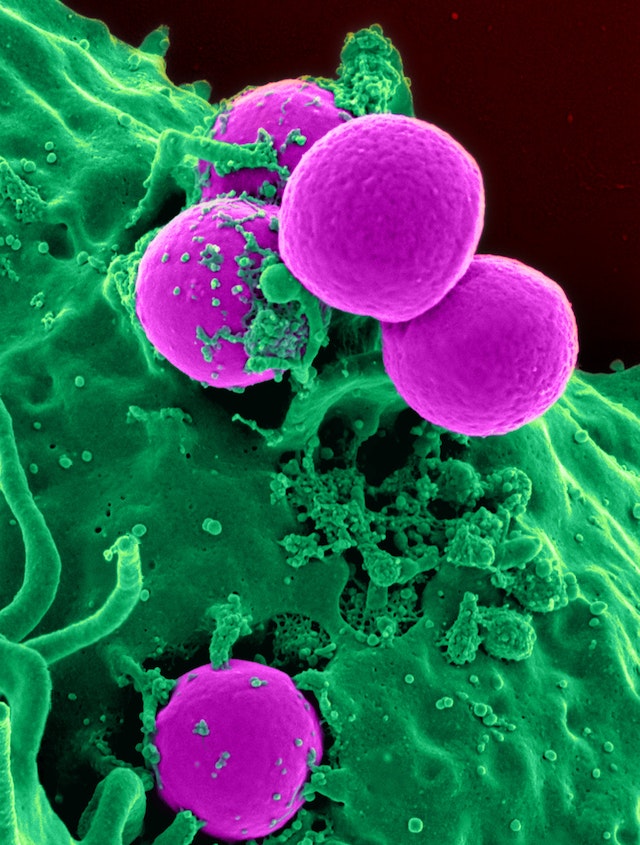
Haematology is the study of blood and blood-related disorders. It is a branch of medical science that deals with the diagnosis, treatment, and prevention of diseases that affect the blood, bone marrow, and lymphatic system. Haematologists are medical professionals who specialise in the diagnosis and treatment of blood disorders.
The human body contains approximately five liters of blood, which carries oxygen and nutrients to all the organs and tissues. Blood also helps in the removal of waste products from the body. Haematology is concerned with the production, function, and regulation of blood cells, including red blood cells, white blood cells, and platelets.
Haematology plays a crucial role in the diagnosis and treatment of various medical conditions such as anaemia, leukemia, lymphoma, and other blood-related disorders. Haematologists use a range of diagnostic tests, including blood tests, bone marrow biopsies, and genetic testing, to identify the underlying cause of blood disorders.
Haematologists also provide a range of treatments for blood disorders, including chemotherapy, radiation therapy, and bone marrow transplantation. They work closely with other medical professionals, including oncologists, to ensure that patients receive the best possible care.
In addition to treating blood disorders, haematologists also play an important role in blood transfusions. They ensure that the blood transfusions are safe and compatible with the patient’s blood type. They also monitor the patient’s response to the transfusion and manage any adverse reactions that may occur.